Executive AI Brief

European economics journals reform must reward method and openness over brand prestige Tie hiring and grants to reproducibility—open code, preregistration, independent replications Build EU benchmarks and nimble society journals so reliable work earns global reach
Read More
Retail investing is up; teach people to earn the market, not chase alpha. Use low fees, diversification, and cool-off safeguards to curb herding and fraud—especially for seniors Tie curricula to app defaults so good habits are automatic and long-term wealth compounds
Read More
Cooling classrooms cuts heat-related learning loss but doesn’t reverse falling math scores Pair AC with ventilation, phone-off rules, and morning math blocks for bigger gains Treat HVAC as a policy for instruction and track outcomes to fund what truly boosts achievement
Read More
Taiwan’s nuclear referendum failed due to low turnout, not a lack of support Its grid now relies more heavily on costly imported gas A balanced mix with renewables, storage, and a safety-vetted nuclear option is vital
Read More






Robots should be Europe’s first responder to ageing, handling routine work so people focus on human-only tasks Education must pivot fast—stackable credentials for robot operation, integration, and safety Use migration where irreplaceable in care and teaching; automate the rest to stabilize growth
Read More
Real-time data can mislead because overload and autocorrelation turn noise into policy Treat fresh numbers as estimates: blend vintages (replay-style), weight by revision risk, and require causal identification Teach revision-aware literacy and measure decisions by how well they age, not how fast they react
Read More
The dollar’s slide is a self-inflicted wound from tariffs, aid cuts, and fiscal drift Market confidence punished these choices, raising costs for campuses and squeezing budgets Fix it with boring credibility: a real fiscal path, rules-based trade, and strategic re-engagement
Read More

Tariffs push India and China toward pragmatic corridor-based coordination Chokepoints like Malacca demand education focused on logistics, compliance, and applied R&D Build corridor-ready micro-credentials now to hedge volatility and capture growth
Read More

Easy renegotiation encourages lowball bids Costs rise later through change orders while value stays flat Use formula-based indexation, strict correction rules, and transparent amendment data
Read More
Token value comes from network use, not only cash flows Teach Metcalfe-style metrics—active users, adjusted settlement, fees and ETF signals—with transparent filters Update curricula to pair demand-based valuation with risk and regulation
Read More
China’s dominance in manufacturing now rests on its vast talent pipelines, not just efficiency Western economies risk losing ground unless education and training systems compress time-to-competence at scale Factories of the future will be decided in classrooms as much as on shop floors
Read More
China drives disinflation through trade, while U.S.
Read More

Business and financial cycles require different neutral interest rates East Asian data show the gaps are often large Policy must balance growth needs with financial stability The most crucial number in monetary policy is n
Read More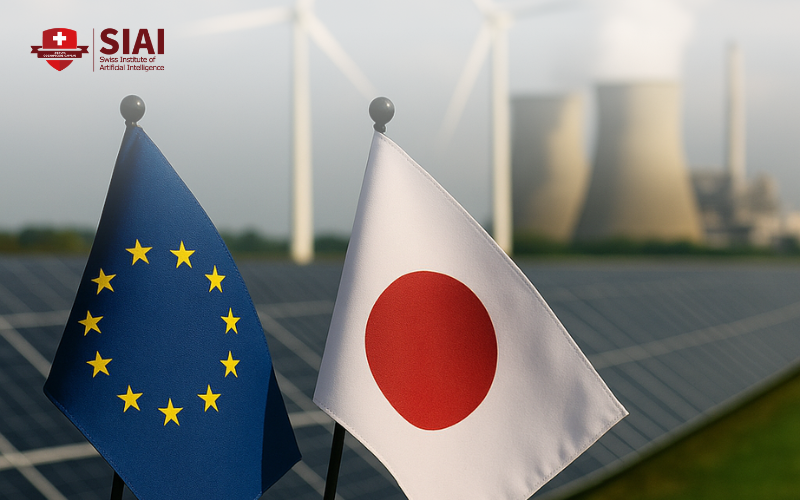
The EU and Asia Pacific should move from competition to surplus-sharing in green energy Tools like carbon contracts and CBAM credits can ensure fair distribution of benefits This strategy will enhance investment and strengthen global partnerships
Read More
This article was independently developed by The Economy editorial team and draws on original analysis published by East Asia Forum. The content has been substantially rewritten, expanded, and reframed for broader context and relevance. All views expressed are solely those of the author and do not represent the official position of East Asia Forum or its contributors.
Read More
This article is based on ideas originally published by VoxEU – Centre for Economic Policy Research (CEPR) and has been independently rewritten and extended by The Economy editorial team. While inspired by the original analysis, the content presented here reflects a broader interpretation and additional commentary. The views expressed do not necessarily represent those of VoxEU or CEPR.
Read More
This article is based on ideas originally published by VoxEU – Centre for Economic Policy Research (CEPR) and has been independently rewritten and extended by The Economy editorial team. While inspired by the original analysis, the content presented here reflects a broader interpretation and additional commentary. The views expressed do not necessarily represent those of VoxEU or CEPR.
Read More