Bio & Science
Climate finance must fund people, not just projects Put Pacific climate education at the center Tie every grant to learning-days and local ownership In a year when the oceans in the South-West Pa
Read More
Climate spillover costs spread climate damage across borders and supply chains, not just disaster zones Standard models miss these externalities, so budgets and prices understate true risk Measure and price spillovers to fund resilience in education and public services now
Read More
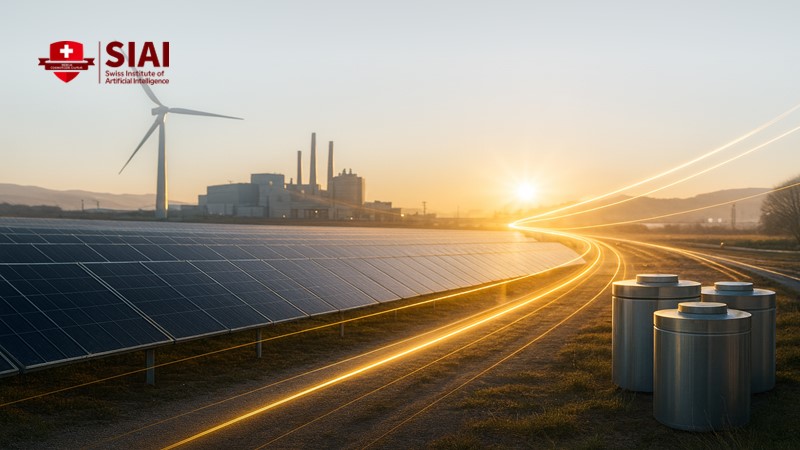
China’s green transition is driven by private equity, not state subsidies This market-led buildout cuts costs, lowers geopolitical risk, and is nudging emissions down Europe should use compliant Chinese solar and storage now while scaling its own niches and grids
Read More







A DNA search engine replaces lists with graph-native matching MetaGraph proves scalable, fast, accurate, and low-cost sequence search Education should adopt path-based search with strong data governance
Read More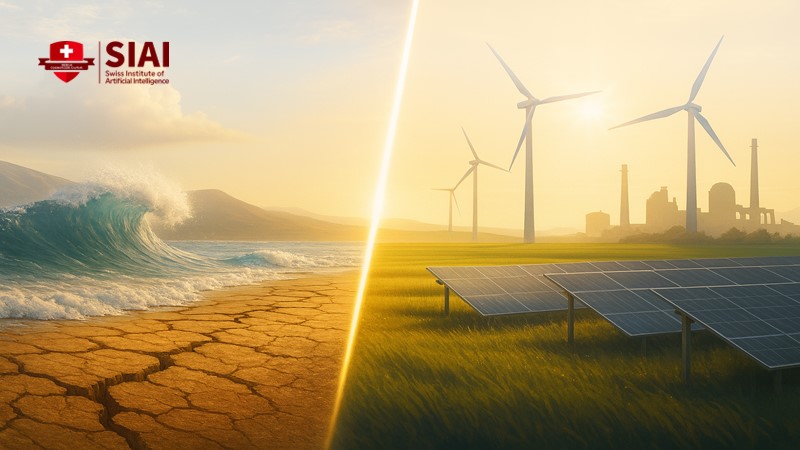
Physical and transition climate risks are orthogonal inside firms Physical risk is geographic and weather-driven; transition risk is policy- and profit-driven Teach and regulate with two dashboards, not one, so budgets and actions match each risk
Read More
Older adults lose billions to AI elder fraud each year Biology and deepfake tools amplify impersonation and urgency Add default friction—holds, verification, and reimbursements—to stop wires before money leaves
Read More
South America faces a $7.3T loss—about a 4% GDP drag—from unhealthy ageing Adopt longevity economics: prevention, midlife reskilling, and age-friendly work from 50–75 Tie funding to health and re-employment outcomes to turn ageing into a growth dividend
Read More
Cooling classrooms cuts heat-related learning loss but doesn’t reverse falling math scores Pair AC with ventilation, phone-off rules, and morning math blocks for bigger gains Treat HVAC as a policy for instruction and track outcomes to fund what truly boosts achievement
Read More
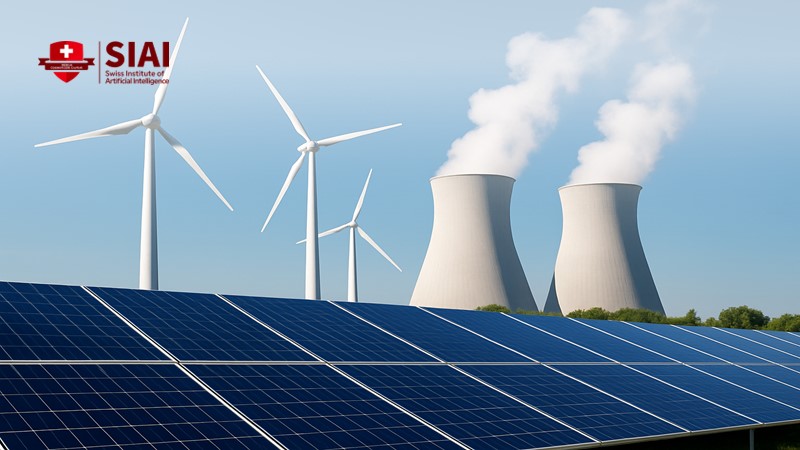
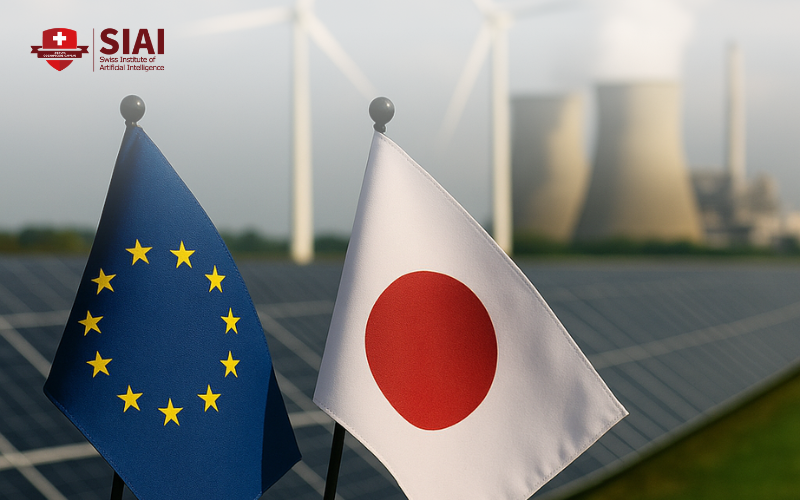
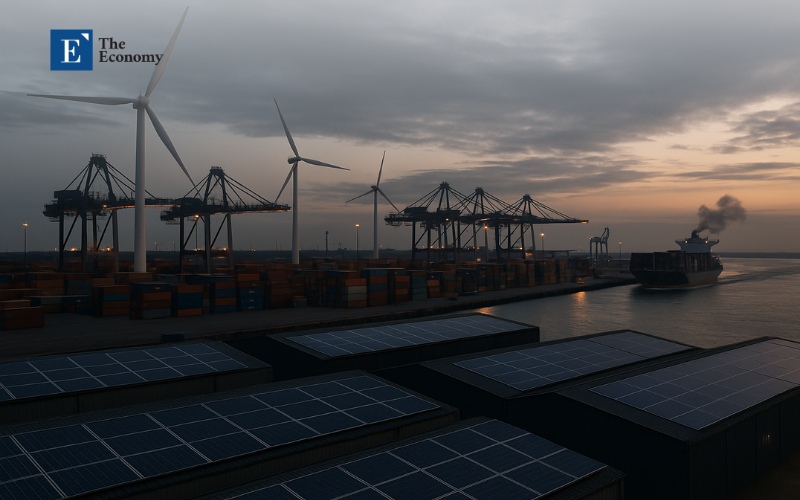
The EU and Asia Pacific should move from competition to surplus-sharing in green energy Tools like carbon contracts and CBAM credits can ensure fair distribution of benefits This strategy will enhance investment and strengthen global partnerships
Read More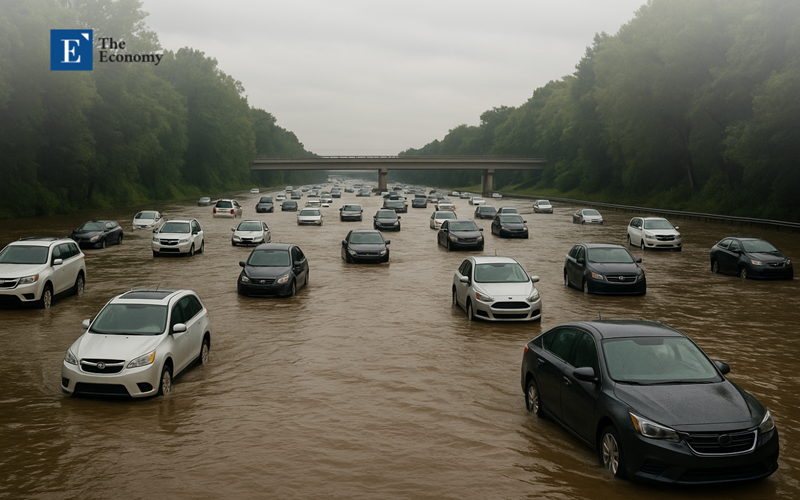
This article is based on ideas originally published by VoxEU – Centre for Economic Policy Research (CEPR) and has been independently rewritten and extended by The Economy editorial team. While inspired by the original analysis, the content presented here reflects a broader interpretation and additional commentary. The views expressed do not necessarily represent those of VoxEU or CEPR.
Read More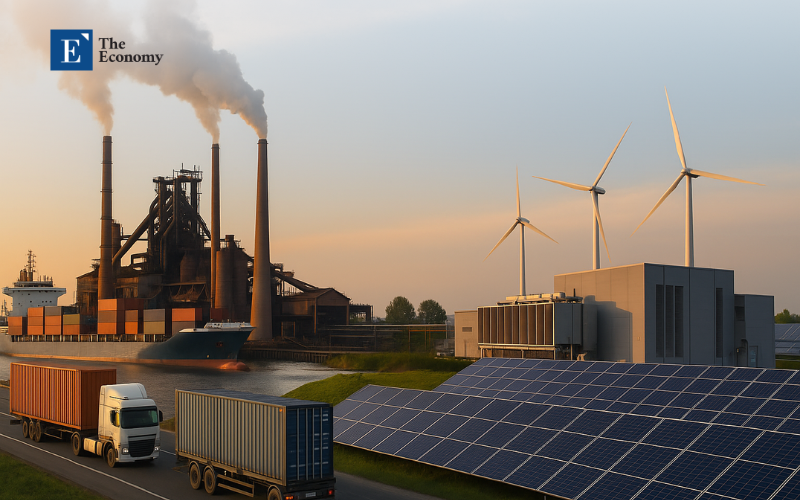
This article is based on ideas originally published by VoxEU – Centre for Economic Policy Research (CEPR) and has been independently rewritten and extended by The Economy editorial team. While inspired by the original analysis, the content presented here reflects a broader interpretation and additional commentary. The views expressed do not necessarily represent those of VoxEU or CEPR.
Read More
This article is based on ideas originally published by VoxEU – Centre for Economic Policy Research (CEPR) and has been independently rewritten and extended by The Economy editorial team. While inspired by the original analysis, the content presented here reflects a broader interpretation and additional commentary. The views expressed do not necessarily represent those of VoxEU or CEPR.
Read More
This article is based on ideas originally published by VoxEU – Centre for Economic Policy Research (CEPR) and has been independently rewritten and extended by The Economy editorial team. While inspired by the original analysis, the content presented here reflects a broader interpretation and additional commentary. The views expressed do not necessarily represent those of VoxEU or CEPR.
Read More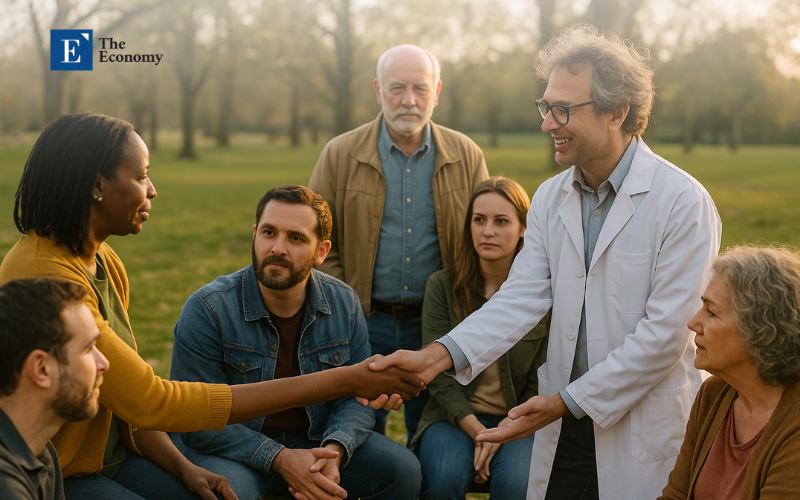
Every statistic about public trust in science reveals less a knowledge gap than an abyss of distrust, a chasm that reason alone cannot bridge. Despite decades of data, surveys, and outreach campaigns, roughly three-quarters of Americans—76% in the latest Pew Research Center poll—report having at least some confidence in scientists to act in the public’s best interest; yet, more than one in four express little to no trust at all.
Read More
A plastic bag in a beachgoer’s tote is ecologically harmless; it only becomes a problem when carelessly discarded. This behavior is encouraged because society has not assigned a cost to it. Shoreline pollution is more about the mismanagement of behavior than the materials themselves—litter increases when the public faces no immediate consequences for throwing away plastic. However, if a visible fee were attached to the bag that accounted for cleanup costs, users would be more responsible, and beaches would remain clean without constant oversight.
Read More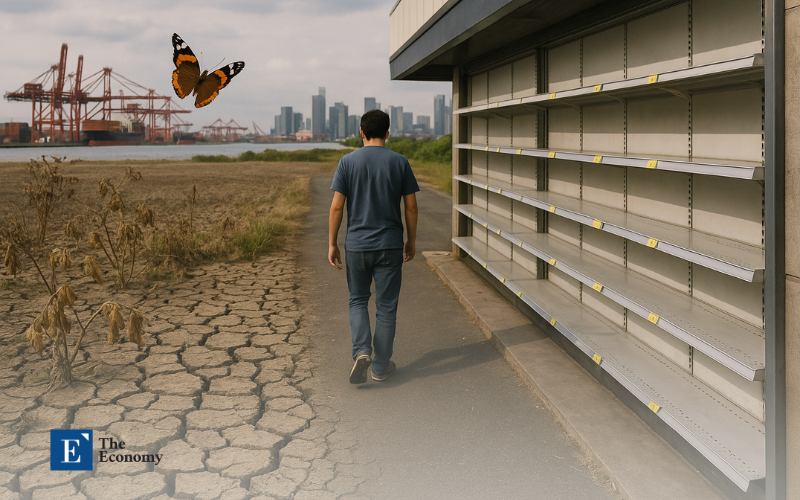
This article is based on ideas originally published by VoxEU – Centre for Economic Policy Research (CEPR) and has been independently rewritten and extended by The Economy editorial team. While inspired by the original analysis, the content presented here reflects a broader interpretation and additional commentary. The views expressed do not necessarily represent those of VoxEU or CEPR.
Read More